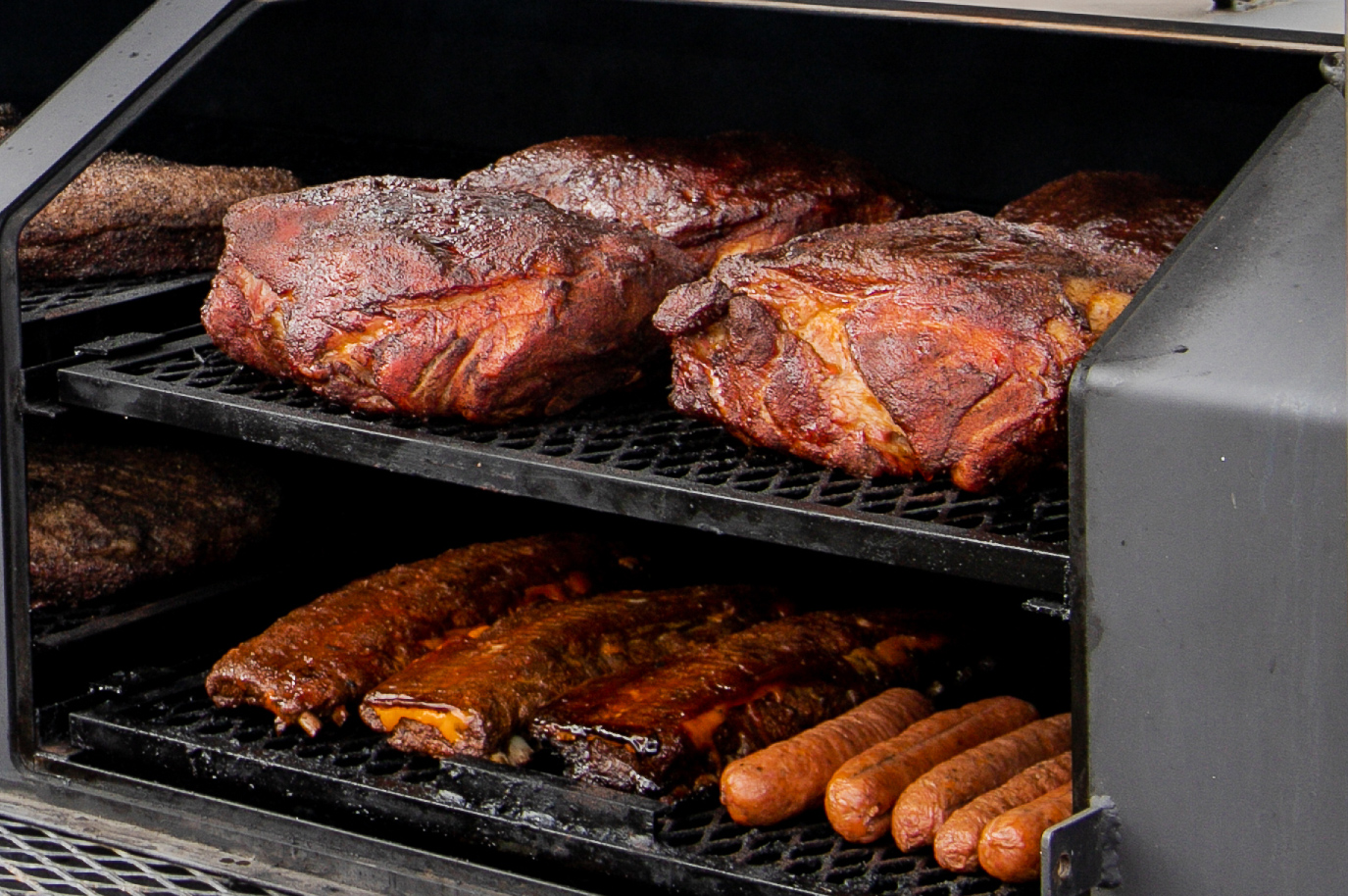

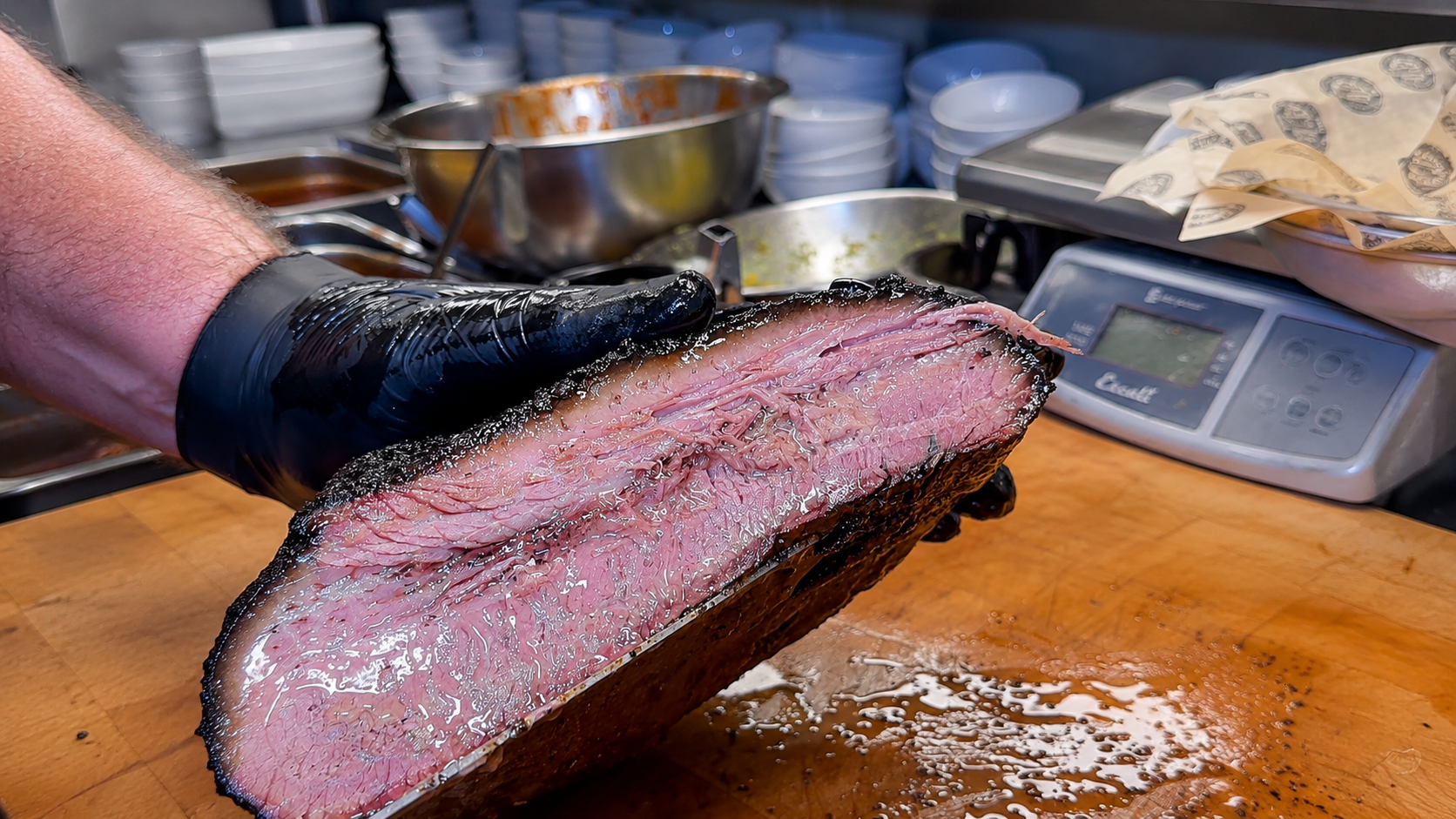
Few BBQ dishes inspire as much devotion as smoked brisket. From its rich bark and smoky aroma to its tender, melt-in-your-mouth texture, a properly prepared brisket is often considered the ultimate test of a pitmaster’s skill.
If you’re searching for authentic Smoked Brisket San Diego BBQ lovers recommend, you may have noticed that the best brisket isn’t something that can be rushed. Unlike burgers, steaks, or grilled chicken, brisket requires patience, precision, and a commitment to the low-and-slow cooking process.
At Coaster Saloon, smoked BBQ is part of what keeps guests coming back. While enjoying great barbecue may seem simple from the dining side of the table, creating exceptional brisket takes hours of preparation and careful attention to detail.
TLDR – Quick Guide
Why does Smoked Brisket San Diego BBQ take so long?
- Brisket is a tough cut of meat.
- Low temperatures are needed to break down connective tissue.
- Smoking develops flavor over many hours.
- Moisture retention requires careful temperature control.
- Proper resting is essential before serving.
The result is tender, flavorful brisket that’s worth every minute of the process.
Detailed Breakdown
What Is Brisket?
Brisket comes from the lower chest of the cow, an area that supports a significant amount of weight throughout the animal’s life.
Because these muscles are constantly used, brisket contains:
- Dense muscle fibers
- Connective tissue
- Collagen
- Intramuscular fat
These characteristics make brisket challenging to cook but incredibly rewarding when done correctly.
Why Brisket Is Different
Unlike more tender cuts such as ribeye or filet mignon, brisket isn’t naturally soft.
If cooked too quickly, it can become:
- Tough
- Dry
- Chewy
- Difficult to slice
That’s why experienced pitmasters rely on patience rather than speed.
The Low-and-Slow Philosophy
The secret behind exceptional Smoked Brisket San Diego BBQ is low-and-slow cooking.
What Does “Low and Slow” Mean?
Most brisket is smoked at temperatures ranging between:
- 225°F
- 250°F
- 275°F
At these temperatures, the meat gradually transforms over many hours.
This process allows:
- Fat to render slowly
- Connective tissue to break down
- Smoke flavor to penetrate the meat
- Moisture to remain inside
The result is the tender texture BBQ fans love.
Why High Heat Doesn’t Work
Many people assume higher temperatures mean faster cooking and similar results.
Unfortunately, brisket doesn’t work that way.
Cooking too quickly can:
- Dry out the meat
- Prevent collagen breakdown
- Create uneven texture
- Reduce smoke absorption
Patience remains one of the most important ingredients in great barbecue.
The Science Behind Tender Brisket
One reason brisket requires so much time is collagen.
What Is Collagen?
Collagen is a tough connective tissue found throughout the brisket.
During the smoking process, collagen gradually breaks down into gelatin.
This transformation:
- Creates tenderness
- Improves texture
- Enhances juiciness
- Produces the signature mouthfeel of quality brisket
Without enough cooking time, this conversion simply doesn’t happen.
Understanding “The Stall”
One of the most challenging parts of smoking brisket is a phenomenon known as “the stall.”
During cooking:
- Internal temperatures rise steadily.
- Moisture begins evaporating.
- Evaporation cools the meat.
- Temperature increases slow dramatically.
Some briskets remain in the stall for several hours before continuing to cook.
Experienced pitmasters understand this is a normal part of the process and resist the urge to rush it.
Smoke Flavor Takes Time
Smoke isn’t simply added to brisket—it develops gradually.
Building Layers of Flavor
Throughout the smoking process, wood smoke interacts with the meat’s surface.
This helps create:
- Rich smoky flavor
- A flavorful bark
- Deep color
- Complex aroma
The longer and more controlled the process, the more balanced the final flavor profile becomes.
Choosing the Right Wood
Different woods contribute different flavors.
Popular choices include:
- Oak
- Hickory
- Mesquite
- Pecan
Each wood influences the final product in unique ways.
Resting Is Just as Important as Smoking
Many people assume the brisket is ready once it leaves the smoker.
In reality, one final step remains.
Why Resting Matters
After cooking, brisket should rest before slicing.
This allows:
- Juices to redistribute
- Internal temperatures to stabilize
- Texture to improve
- Moisture retention to increase
Skipping the resting process can undo hours of hard work.
Patience Pays Off
The best pitmasters understand that resting is not optional.
It’s a critical part of producing the tender brisket BBQ fans expect.
Why BBQ Fans Appreciate Authentic Brisket
Great brisket isn’t simply food—it’s craftsmanship.
When BBQ enthusiasts search for authentic Smoked Brisket San Diego restaurants, they’re often looking for evidence of:
- Traditional smoking techniques
- Quality ingredients
- Attention to detail
- Consistency
- Genuine pitmaster expertise
These factors separate average BBQ from memorable BBQ.
Why Coaster Saloon’s BBQ Appeals to Guests
For BBQ fans visiting Mission Beach, Coaster Saloon offers a menu that celebrates authentic smoked flavors.
Guests looking to experience barbecue favorites can explore the full food and drink menu and discover options that pair perfectly with craft beer, cocktails, and the relaxed atmosphere of Mission Beach.
Whether you’re stopping by for lunch, dinner, or a gathering with friends, quality BBQ remains one of the venue’s signature attractions.
For larger gatherings centered around great food, it’s also worth reviewing catering and group event options for upcoming celebrations and special occasions.
Common Brisket Mistakes
Cooking Too Fast
The biggest mistake is trying to speed up the process.
Brisket rewards patience and punishes shortcuts.
Ignoring Temperature Control
Consistent temperatures are essential throughout the smoking process.
Large fluctuations can negatively impact texture and moisture.
Skipping the Rest
Many beginners slice immediately after cooking.
Allowing the brisket to rest often makes the difference between good and great results.
Key Takeaways
Authentic Smoked Brisket San Diego BBQ isn’t created in a hurry.
The process requires:
- Low-and-slow cooking
- Careful temperature control
- Time for collagen breakdown
- Smoke flavor development
- Proper resting
While the process can take many hours, the reward is tender, flavorful brisket that showcases why barbecue remains one of America’s most beloved culinary traditions.
For BBQ enthusiasts looking to enjoy smoked favorites near Mission Beach, Coaster Saloon offers a welcoming destination where great food, drinks, and coastal vibes come together.
Frequently Asked Questions
Why does smoked brisket take so long to cook?
Brisket contains a large amount of connective tissue that needs time to break down properly. Low temperatures allow collagen to convert into gelatin, creating a tender texture. Rushing the process often results in tough and dry meat.
What temperature is best for smoking brisket?
Most pitmasters smoke brisket between 225°F and 275°F. This temperature range allows the meat to cook slowly while developing smoke flavor. Consistent temperatures help produce the best results.
What is the brisket stall?
The stall is a period during cooking when the brisket’s internal temperature stops rising for several hours. This occurs because moisture evaporation cools the surface of the meat. While it can be frustrating, the stall is a normal part of the smoking process.
Why is resting brisket important?
Resting allows the juices to redistribute throughout the meat before slicing. This improves moisture retention and overall texture. Skipping the rest period can cause the brisket to lose valuable juices.
What makes great smoked brisket different from average brisket?
Great brisket combines tenderness, moisture, smoke flavor, and a well-developed bark. Achieving these qualities requires proper technique, quality ingredients, and patience. The best brisket reflects hours of careful preparation and attention to detail.