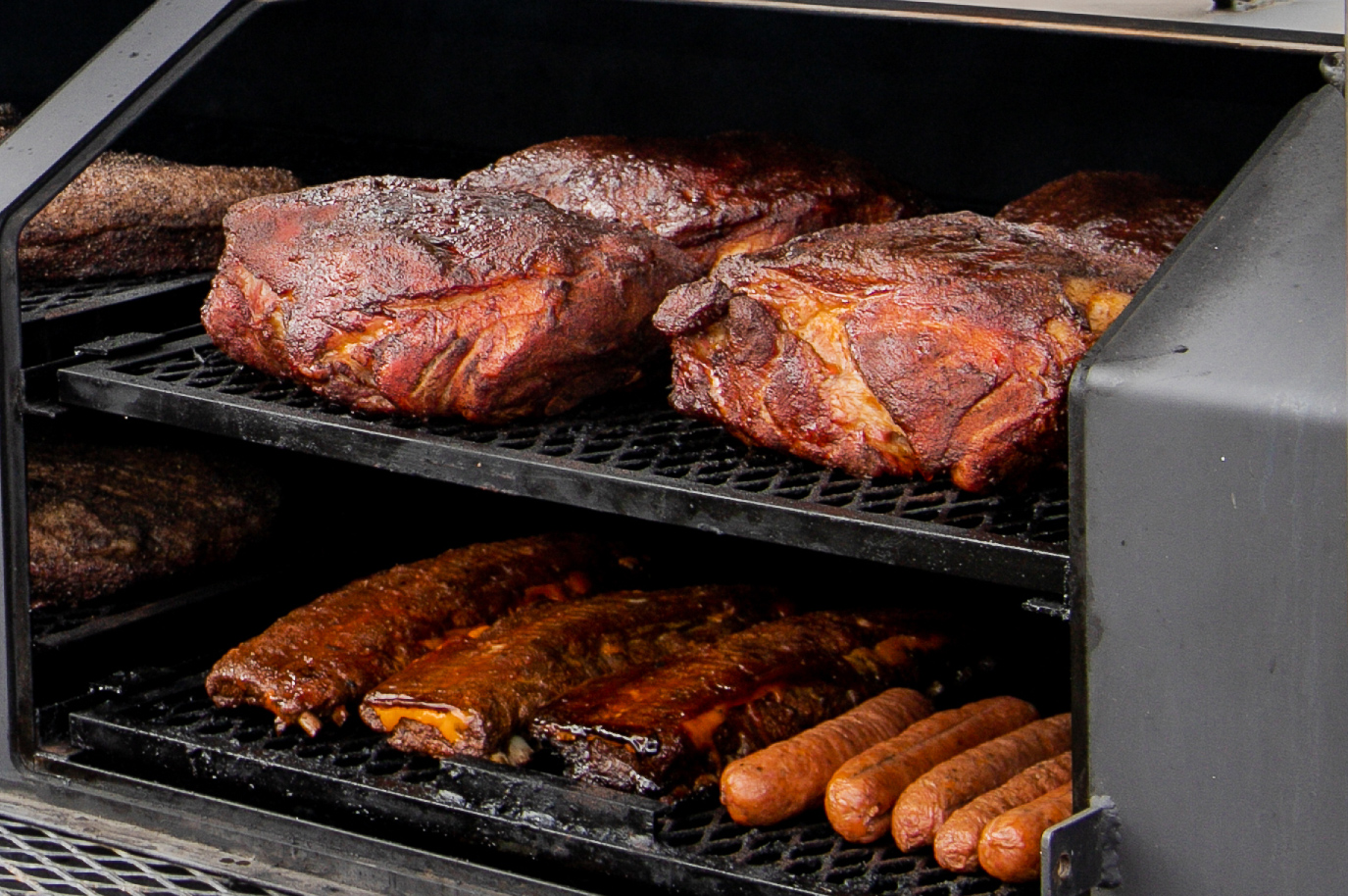

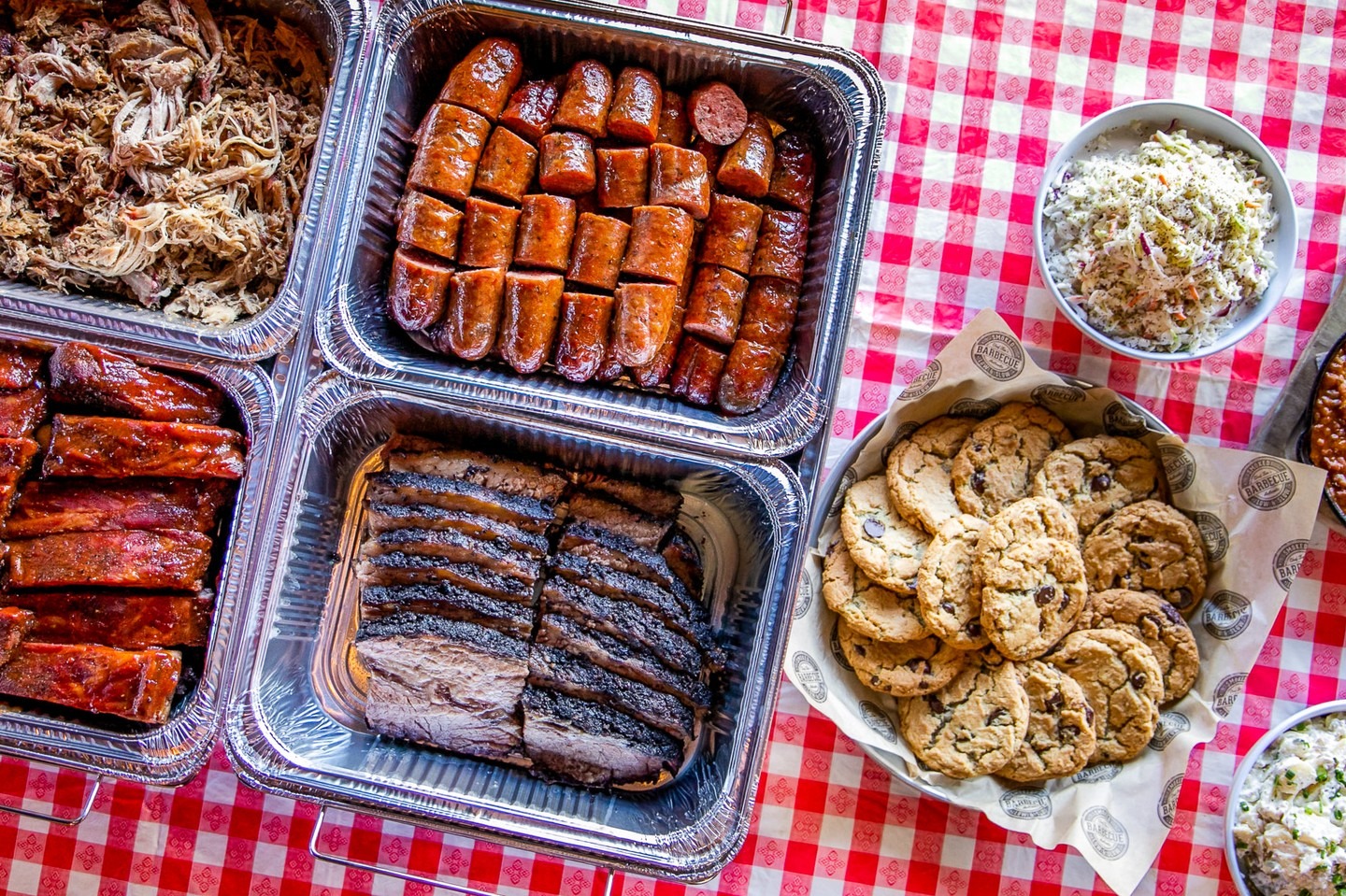
At first glance, smoked BBQ and grilled meat might seem like the same thing. Both involve fire, both involve meat, and both deliver bold flavors.
But once you taste them side by side, the difference becomes obvious.
The debate around smoked BBQ vs grilled meat isn’t just about cooking style—it’s about time, technique, and flavor depth. One is slow, controlled, and layered. The other is fast, direct, and intense.
Understanding this difference changes how you order, what you expect, and how you appreciate BBQ as a whole. If you’ve ever wondered why brisket tastes completely different from a grilled steak, this is where it all makes sense.
TLDR – Quick Guide
- Smoked BBQ: Low heat, long cooking time, deep smoky flavor
- Grilled meat: High heat, quick cooking, charred exterior
- Texture: Smoked = tender, Grilled = firm and juicy
- Flavor: Smoked = layered, Grilled = bold and direct
- Best choice: Depends on time, taste, and experience
Explore smoked and grilled options here: Menu
Detailed Breakdown
The Core Difference: Time and Temperature
The biggest difference between smoked BBQ vs grilled meat comes down to how they’re cooked.
Smoking:
- Low temperature (usually 200–275°F)
- Long cooking time (hours, sometimes all day)
- Indirect heat
Grilling:
- High temperature (400°F and above)
- Short cooking time (minutes)
- Direct heat
This difference in approach creates completely different results.
Smoking is about patience. Grilling is about speed.
How Smoke Transforms Flavor
Smoke isn’t just heat—it’s an ingredient.
When meat is smoked, it’s exposed to wood smoke for extended periods. This allows it to absorb complex flavors from the wood itself, such as:
- Oak (strong, classic BBQ flavor)
- Hickory (bold and slightly sweet)
- Mesquite (intense and earthy)
Over time, this creates:
- A deep, layered flavor
- A smoky aroma that penetrates the meat
- A distinct outer crust called “bark”
This is why smoked BBQ tastes richer and more complex than grilled meat.
Grilling: High Heat, Bold Flavor
Grilling uses direct heat to cook meat quickly. Instead of smoke infusion, it relies on:
- Maillard reaction (browning that creates flavor)
- Char marks
- Natural meat juices
The result is:
- A crisp, slightly charred exterior
- A juicy interior
- A straightforward, bold taste
Grilled meat doesn’t have the same depth as smoked BBQ, but it delivers immediate flavor and texture.
Texture Differences: Tender vs Structured
Texture is just as important as flavor.
Smoked BBQ:
- Extremely tender
- Often falls apart (pulled pork, brisket)
- Soft and juicy due to long cooking time
Grilled Meat:
- Firmer structure
- Requires slicing or chewing
- Retains more natural bite
For example:
- Smoked brisket melts in your mouth
- Grilled steak offers resistance and bite
Neither is better—it depends on what you’re in the mood for.
Why Smoking Works Better for Tough Cuts
Smoking is ideal for tougher cuts of meat like:
- Brisket
- Pork shoulder
- Ribs
These cuts have:
- More connective tissue
- More collagen
Low and slow cooking breaks these down over time, turning tough meat into something tender and flavorful.
Grilling, on the other hand, works best for:
- Steaks
- Chicken breasts
- Burgers
These cuts don’t need long cooking times.
Flavor Comparison: Side-by-Side
| Feature | Smoked BBQ | Grilled Meat |
| Cooking Time | Long (hours) | Short (minutes) |
| Heat Type | Indirect | Direct |
| Flavor | Deep, smoky | Bold, charred |
| Texture | Tender, soft | Firm, juicy |
| Best Cuts | Tough meats | Tender cuts |
Which One Should You Choose?
Choosing between smoked BBQ vs grilled meat depends on what you want from your meal.
Choose smoked BBQ if:
- You want rich, slow-developed flavor
- You enjoy tender, melt-in-your-mouth meat
- You’re looking for a traditional BBQ experience
Choose grilled meat if:
- You want something quick and satisfying
- You prefer a firmer texture
- You enjoy charred, bold flavors
For most people, the best approach is not choosing one over the other—but trying both.
How Sides and Drinks Change the Experience
Smoked BBQ is heavier and richer, which means it benefits from:
- Fresh sides (coleslaw, pickles)
- Light drinks (beer, citrus cocktails)
Grilled meat, being lighter, pairs well with:
- Hearty sides (fries, bread)
- A wider range of drinks
You can explore drink pairings here
And if you’re planning a visit around deals or group dining, you can check options here
Planning for Groups: Why This Difference Matters
If you’re planning a meal and thinking about how much BBQ per person, the cooking style matters.
- Smoked BBQ is more filling due to fat and richness
- Grilled meat is lighter, so people may eat more
This affects:
- Portion sizes
- Variety planning
- Overall satisfaction
Mixing both styles can create a more balanced group experience.
Common Misconceptions
1. “Grilling and smoking are basically the same”
They produce completely different flavors and textures.
2. “Smoked BBQ is always better”
It depends on preference—some people prefer grilled textures.
3. “Grilled meat has no complexity”
It can still be flavorful, just in a different way.
4. “Smoking is just for flavor”
It also transforms texture and tenderness.
Pro Tip: Try Both in One Meal
The best way to understand the difference is simple:
- Order one smoked item (like brisket)
- Order one grilled item (like steak or chicken)
Taste them side by side.
That comparison will teach you more than any explanation.
Key Takeaways
- The difference between smoked BBQ vs grilled meat comes down to time, heat, and technique
- Smoking creates deep, complex flavors and tender textures
- Grilling delivers bold, charred flavor with a firmer bite
- Each method works best for different types of meat
- Pairing with sides and drinks enhances the experience
- Trying both styles is the best way to understand your preference
FAQs
1. What is the main difference between smoked BBQ vs grilled meat?
The main difference is the cooking method. Smoked BBQ uses low heat over a long time, while grilling uses high heat for a short time. This creates different flavors and textures.
2. Why does smoked BBQ taste stronger than grilled meat?
Smoked BBQ absorbs flavor from wood smoke over several hours. This creates a deeper, more complex taste. Grilled meat relies more on surface browning.
3. Is smoked BBQ always more tender than grilled meat?
Yes, in most cases. The long cooking process breaks down tough fibers, making the meat softer. Grilled meat retains more structure.
4. Which is healthier, smoked BBQ or grilled meat?
It depends on the cut and preparation. Smoked BBQ can be higher in fat, while grilled meat can be leaner. Both can be part of a balanced diet.
5. Should I choose smoked BBQ or grilled meat for a group meal?
It’s best to include both if possible. This gives guests more variety in flavor and texture. It also helps satisfy different preferences.